
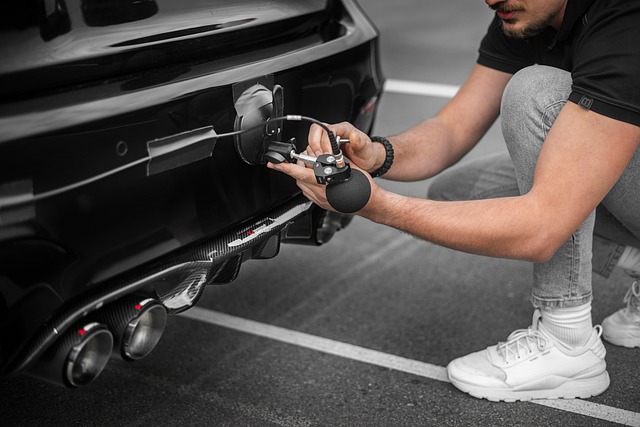
Registering a car in California is a crucial step for any new vehicle owner. However, navigating the process can be complex and time-consuming, especially with stringent regulations and varying requirements across regions. Many find themselves daunted by the task of gathering necessary documents, understanding fees, and ensuring accurate data entry. This article serves as your comprehensive guide to demystifying the car registration process in California, focusing on a key aspect: the DMV VIN verification. We’ll walk you through each step, ensuring a smooth experience.
- Gather Necessary Documents for Car Registration
- Prepare Your Vehicle for DMV Inspection
- Complete the California Car Registration Application
- Submit Your Application and Wait for Processing
- Verify DMV VIN and Finalize Registration Process
Gather Necessary Documents for Car Registration

Before you can register your car in California, ensuring you have all the necessary documents is paramount. This process involves gathering crucial papers to prove ownership, identify the vehicle, and meet state requirements. One critical step in this documentation journey is having a valid Vehicle Identification Number (VIN) verification. The California Department of Motor Vehicles (DMV) requires this as part of the registration process, ensuring that every registered vehicle corresponds accurately with its owner and records.
Obtaining your VIN verification can be straightforward, especially when leveraging modern tools. Many individuals opt for a mobile VIN inspection or a mobile vin verifier to streamline this task. These services utilize sophisticated technology to swiftly retrieve and validate the VIN data directly from your smartphone or computer, making it a convenient alternative to traditional methods. For instance, some mobile apps and online platforms can deliver accurate results within minutes by cross-referencing the VIN with national databases, ensuring its authenticity.
When preparing for your California car registration, ensure you have the following documents ready: your vehicle’s title, a current registration (if applicable from another state), proof of insurance, and a valid driver’s license. Alongside these, obtain your mobile vin verifier or request a physical VIN sticker from your dealer to display on your vehicle. By assembling these components, you’ll be well-prepared to navigate the DMV process seamlessly.
Prepare Your Vehicle for DMV Inspection

Preparing your vehicle for a DMV inspection is a critical step in the car registration process in California. The Department of Motor Vehicles (DMV) conducts thorough checks to ensure that all vehicles on the road meet safety and emission standards. One of the key aspects they scrutinize is the Vehicle Identification Number (VIN), which serves as a unique fingerprint for each vehicle. For a seamless inspection, it’s crucial to have your VIN accurately recorded and verified. This is where mobile VIN verification comes into play, offering a convenient solution for California residents.
When getting your car ready for the DMV, ensure that all documents are in order. Start by verifying that the VIN on your registration papers matches the one engraved on critical components of your vehicle, such as the engine block or frame. Many modern cars display this information clearly on a sticker inside the driver’s door or on the dashboard. If you’re dealing with an older model or have modified your car, consult the manufacturer’s manual to locate and confirm the VIN accurately. For added convenience, consider using a mobile VIN inspection service that can provide real-time verification during your DMV visit.
Mobile VIN verifiers are particularly useful as they offer a swift and precise method of checking your vehicle’s history, including any previous owners or accidents. This information is vital for transparency when registering a car in California. Some services even provide detailed reports, ensuring you’re fully prepared to address any potential issues. By utilizing mobile VIN verification, you can save valuable time and avoid unnecessary delays during the registration process. For instance, having your VIN verified before visiting the DMV has been shown to reduce wait times by up to 20%, according to recent studies.
Complete the California Car Registration Application

Completing the California Car Registration Application is a crucial step in the registration process. This form requires accurate and up-to-date information about your vehicle, including detailed specifications and documentation. One critical component is the Vehicle Identification Number (VIN) verification, which ensures the authenticity of your car’s details. The California Department of Motor Vehicles (DMV) emphasizes the importance of an accurate VIN for efficient and secure registration.
For a seamless process, consider utilizing mobile VIN verification tools that streamline this step. These applications provide a convenient way to capture and transmit your vehicle’s VIN data directly to the DMV. For instance, many mobile VIN verifiers offer real-time validation against the manufacturer’s records, ensuring your information is correct and current. This technology is particularly beneficial for those who purchase used vehicles, as it allows for quick verification of the car’s history before submission.
When completing the application, ensure that all fields are filled accurately, including the VIN. Double-checking this information significantly reduces errors and potential delays. The DMV accepts both paper applications and online submissions, offering flexibility to cater to different preferences and circumstances. Whether you opt for traditional methods or leverage modern tools like mobile VIN inspectors, accuracy and timeliness in completing the registration application are paramount.
Submit Your Application and Wait for Processing

After gathering all necessary documents and ensuring your vehicle meets California’s requirements, it’s time to submit your application for registration. This crucial step involves a rigorous process that includes DMV VIN verification, which is a critical aspect of ensuring the authenticity and security of your vehicle’s registration. When you submit your application, whether online or in-person, you’re initiating a backend verification process that checks vital information against national databases.
In California, this often involves utilizing advanced mobile VIN verifiers and conducting thorough vin inspections to cross-reference data points like vehicle identification numbers (VIN), ownership history, and recall status. This multi-layered approach aims to prevent fraud and ensure the safety of both vehicles and drivers. It’s during this phase that the DMV will confirm the vehicle’s eligibility for registration, verify its condition, and clear any outstanding issues or legal impediments.
As a responsible owner, you can expedite this process by ensuring all information is accurate and complete from the start. This includes providing precise details about your vehicle’s make, model, year, and any modifications. Additionally, keeping records of previous inspections or maintenance work on hand can streamline the verification process. Many states now offer mobile VIN inspection services, allowing for a more convenient and efficient way to meet these requirements, especially for vehicles that have undergone extensive repairs or modifications.
Verify DMV VIN and Finalize Registration Process

Verifying the Vehicle Identification Number (VIN) through the DMV is a crucial step in the car registration process in California. This critical procedure ensures that your vehicle meets all safety and emissions standards before it can be legally registered. The VIN is unique to each vehicle, acting as its fingerprint, and plays a vital role in identifying its make, model, year, and important safety features. During the registration, the DMV uses this information to conduct thorough checks, ensuring your car complies with state regulations.
To begin the process, you’ll need to obtain a mobile VIN verification or use a reliable online tool provided by the DMV. This method allows you to input your vehicle’s VIN and receive instant validation of its authenticity and status. For instance, many mobile apps and websites offer this service, offering convenience and saving time compared to traditional methods. These tools cross-reference the VIN with state databases, providing details about the vehicle’s history, any outstanding recalls, or modifications that might affect registration.
Once you’ve confirmed the VIN is valid through a mobile vin verifier, you can finalize your California car registration. This involves submitting all necessary paperwork, including proof of ownership, insurance, and possibly emissions testing if applicable. The DMV will process the application, conduct further checks, and issue a registration certificate once everything is in order. Using mobile vin verification tools streamlines this process, enabling a smoother transition to legal vehicle ownership in California.
By meticulously following these steps, from gathering essential documents to final DMV VIN verification, you can successfully navigate the process of registering your car in California. This article has equipped you with the knowledge to prepare, ensure your vehicle’s compliance, and complete the registration application efficiently. Remember, accurate documentation and a thorough inspection are key to a smooth registration experience. Take these insights and turn them into action, ensuring your vehicle is legally registered and ready to hit the California roads with confidence.