

Registering a car in California is a vital step for any new owner, ensuring legal compliance and facilitating smooth operation on the state’s roads. However, navigating the process can be challenging, with various requirements and paperwork involved. This comprehensive guide aims to demystify the procedure, equipping readers with the knowledge to register their vehicles effortlessly. We’ll outline the essential steps, including gathering necessary documents, providing accurate information, and even discussing the importance of using a reliable VIN verifier to ensure the vehicle’s authenticity. By following these instructions, you’ll be well-prepared to complete the registration process efficiently and accurately.
- Understand California Car Registration Requirements
- Gather Necessary Documents for Vehicle Registration
- Visit a California Department of Motor Vehicles (DMV) Office
- Complete the Car Registration Application Form (Form DMV-123)
- Verify Your Vehicle's VIN and Pay Registration Fees
Understand California Car Registration Requirements

To register a car in California, understanding the state’s specific requirements is crucial. The first step involves ensuring your vehicle meets all safety and emissions standards set by the California Department of Motor Vehicles (DMV). This includes a thorough inspection that verifies the Vehicle Identification Number (VIN), which serves as a unique identifier for each vehicle. A reliable method for this VIN verification process is through mobile VIN inspection services, allowing you to conduct the check conveniently from your location.
California further mandates that all vehicles undergo registration within 30 days of establishing residency or within 60 days of purchasing the car, whichever comes first. You’ll need several crucial documents, such as the title, proof of insurance, and a valid driver’s license. The process involves filling out an Application for Title and Registration (Form DMV-123), which you can submit online, by mail, or in person at any DMV field office. Additionally, some counties offer drop-off services for faster processing.
A key aspect to keep in mind is the importance of accurate record-keeping. Always maintain copies of all registration and inspection documents. For instance, if you utilize mobile VIN verification during the initial inspection process, it’s wise to save these digital records. This thorough approach ensures a seamless registration experience and helps avoid potential issues down the line. It’s also beneficial to be aware of any fee adjustments or waivers that may apply based on specific vehicle types or circumstances.
Gather Necessary Documents for Vehicle Registration
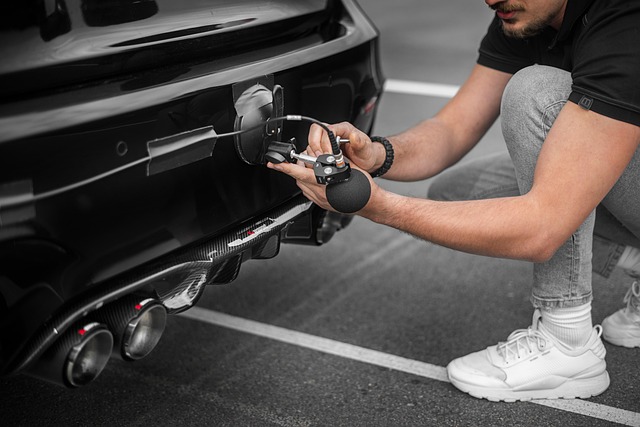
Before you can register your car in California, you’ll need to gather several key documents. This process is essential for ensuring a smooth transition from ownership to official registration. One crucial document is the Vehicle Identification Number (VIN) verification report. A reliable method for achieving this is through the use of a mobile VIN verifier, which can be done right from your smartphone or computer. This digital tool cross-references your vehicle’s unique VIN with manufacturer records to deliver an accurate inspection result in minutes.
In California, it’s recommended that you conduct this VIN inspection at least once during the registration process. The state requires all vehicles to have a current and valid inspection, known as a safety and emissions check, which further emphasizes the importance of an error-free VIN report. By utilizing these modern verification methods, such as mobile VIN verifiers, potential issues can be caught early, ensuring your vehicle meets all legal standards before registration.
Additionally, you’ll need to gather important documents like the title certificate (or proof of ownership), a valid driver’s license or ID, and current insurance cards. It’s also advisable to bring along any relevant maintenance records and warranty information, as these can expedite the registration process. An organized approach to gathering these documents will ensure that registering your car in California is seamless and efficient.
Visit a California Department of Motor Vehicles (DMV) Office

To register your car in California, a physical visit to a DMV office is a crucial step in the process. This hands-on approach ensures that all necessary documents are accurately verified, and your vehicle meets the state’s safety standards. When you arrive at the DMV, one of the initial tasks involves utilizing a VIN verifier to cross-reference your car’s unique Vehicle Identification Number (VIN) with their records. This step is vital for identifying any discrepancies or previous ownership issues, ensuring that the registration process proceeds smoothly.
DMV staff will guide you through the process, requesting key documents like proof of insurance, vehicle title, and valid identification. They might also conduct a mobile VIN verification during your visit to streamline the inspection process. This method allows them to access real-time data about your car’s history, including any recalls or reported issues, enhancing the accuracy of your registration. It’s advisable to arrive prepared with all required documents to avoid delays and potential complications.
If you’re unable to visit a physical location, the DMV offers alternative methods for VIN inspection, such as mobile services that can come to you. This flexibility caters to various circumstances, ensuring residents can still register their vehicles efficiently. By combining traditional office visits with modern verification techniques like mobile VIN checks, California’s DMV ensures a comprehensive and accessible registration process.
Complete the Car Registration Application Form (Form DMV-123)

To register your car in California, you’ll need to complete a series of steps, one of which is filling out the Car Registration Application Form (Form DMV-123). This form is crucial as it gathers all the necessary information required by the California Department of Motor Vehicles (DMV) for vehicle registration. Ensure that all details are accurate and current; any discrepancies might delay the registration process. Start by providing your personal information, including your full name, address, and date of birth. Next, you’ll input the vehicle’s details such as the make, model, year, and Vehicle Identification Number (VIN). It’s here where a reliable VIN verifier comes into play. Utilize a mobile VIN verification service to instantly confirm the vehicle’s history, ensuring there are no outstanding issues or accidents associated with it.
The form also requires you to declare ownership of the vehicle and provide proof of insurance. If you’ve recently purchased the car, have your bill of sale or purchase agreement ready. For older vehicles, a title might be necessary as well. Once all relevant documents and accurate information are in order, submit the form along with the required fees to the DMV. In California, this can often be done online, streamlining the process and reducing potential errors.
To enhance convenience and efficiency, consider leveraging mobile VIN inspection tools. These applications allow you to quickly verify a vehicle’s history using your smartphone, making it easier to ensure that your car is safe and legal before registration. By combining meticulous attention to detail during form filling with modern technology like mobile VIN verifiers, you can ensure a smooth car registration process in California.
Verify Your Vehicle's VIN and Pay Registration Fees

Before registering your vehicle in California, verifying your Vehicle Identification Number (VIN) is a critical step that ensures the accuracy of vital data. This process involves using a reliable VIN verifier to cross-check key information about your car, such as its make, model, year, and specific features. It’s important to choose an authorized or certified mobile VIN verifier for this purpose, ensuring accurate readings and official recognition. Many online services and apps offer remote VIN inspection, making it convenient to verify your vehicle’s details from the comfort of your home.
California Department of Motor Vehicles (DMV) regulations require that all vehicles entering the state undergo a thorough inspection, which includes VIN verification. This step is designed to combat fraud, ensure safety standards, and protect consumers. When paying for registration fees, you’ll need to submit accurate VIN data, as it’s integral to the registration process. The DMV provides clear guidelines on accepted methods of VIN inspection, emphasizing the importance of precise and up-to-date information. It’s advisable to use a mobile VIN verifier prior to visiting any DMV office or completing online registration to avoid delays or complications.
To ensure a smooth registration process, consider using a reputable mobile VIN verification service. These services not only provide accurate data but also offer additional benefits such as vehicle history reports and maintenance records access. Examples of trusted providers include Carfax, AutoCheck, and various third-party apps designed specifically for VIN inspection. By relying on these tools, you can enhance the accuracy of your vehicle’s details, making it easier to navigate the registration process in California. Always ensure that any service or app you use is reliable and authorized to avoid potential issues with official agencies.
By following a straightforward process, registering your car in California is both manageable and efficient. Key takeaways include ensuring you meet all requirements, gathering essential documents, and visiting a DMV office to complete Form DMV-123. Verifying your Vehicle Identification Number (VIN) through a reliable verifier is crucial, as it confirms your vehicle’s authenticity. Paying the necessary registration fees ensures your car’s legal status. This comprehensive guide empowers readers to navigate California’s registration process with confidence, underscoring the importance of due diligence for all vehicle owners.